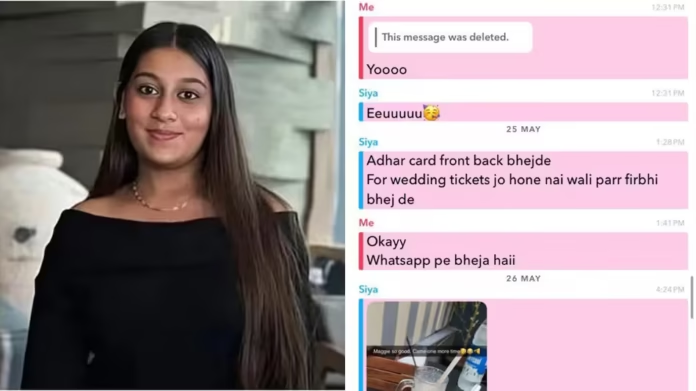
केतन अग्रवाल हत्याकांड की जांच के दौरान पुलिस के हाथ एक ऐसा सुराग लगा है, जिसने पूरे मामले को नई दिशा दे दी है। जांच एजेंसियां अब मुख्य आरोपी सिया गोयल की एक कथित स्नैपचैट चैट की पड़ताल कर रही हैं, जिसमें उसने अपनी एक दोस्त से आधार कार्ड की कॉपी मांगी थी।
पुलिस के मुताबिक, इस कथित चैट से यह आशंका गहराई है कि हत्या की वारदात पहले से रची गई किसी साजिश का हिस्सा हो सकती है। इसी एंगल को ध्यान में रखते हुए जांच टीम अब इस बातचीत की हर कड़ी को बारीकी से खंगाल रही है।
जानकारी के अनुसार, यह कथित चैट 25 मई की बताई जा रही है। इसमें सिया गोयल ने अपनी दोस्त से फ्लाइट टिकट बुक कराने का हवाला देते हुए आधार कार्ड की फ्रंट और बैक कॉपी भेजने के लिए कहा था।
चैट में सिया ने कथित तौर पर लिखा, “आधार कार्ड फ्रंट और बैक भेज दे, वेडिंग टिकट्स के लिए। जो शादी होने ही नहीं वाली… फिर भी भेज दे।”
इस संदेश के सामने आने के बाद जांच एजेंसियां यह पता लगाने में जुटी हैं कि इस बातचीत का हत्या की पूरी साजिश से कोई सीधा संबंध था या नहीं। फिलहाल पुलिस इस चैट की सत्यता और उससे जुड़े सभी पहलुओं की जांच कर रही है।
राजस्थान के श्रीगंगानगर में 13 वर्षीय बच्ची के साथ कथित सामूहिक दुष्कर्म के मामले में प्रशासन ने कड़ी कार्रवाई की है। जिन होटलों में बच्ची के साथ कथित तौर पर यौन शोषण की घटनाएं हुई थीं, उन पर देर रात बुलडोजर चलाया गया। पुलिस अब तक 12 आरोपियों को गिरफ्तार कर चुकी है और मामले की जांच लगातार जारी है।
घटना के बाद पुलिस और प्रशासन ने देर रात उन चार होटलों के खिलाफ कार्रवाई की, जिनका नाम जांच में सामने आया था। कार्रवाई के दौरान भारी पुलिस बल तैनात रहा और पूरे इलाके में सुरक्षा व्यवस्था को मजबूत रखा गया।
पुलिस के मुताबिक मामला 18 जून का है। आरोप है कि घर से लापता हुई 13 साल की बच्ची को एक रिक्शा चालक ने होटल में पहुंचा दिया था। इसके बाद उसके साथ लगातार अत्याचार किया गया। आरोप है कि इस मामले में कुल 32 लोग शामिल थे। अब तक 12 आरोपियों को गिरफ्तार किया जा चुका है।
जांच में यह भी सामने आया है कि होटल संचालकों ने बच्ची को कई लोगों के संपर्क में आने दिया। आरोप है कि कई दिनों तक अलग-अलग लोगों ने उसका शोषण किया। बच्ची की हालत बिगड़ने पर भी उसे राहत नहीं मिली। श्रीगंगानगर के कई होटलों में उसके साथ कथित तौर पर यह अमानवीय व्यवहार हुआ।
घटना की जानकारी सामने आने के बाद बड़ी संख्या में लोग सड़कों पर उतर आए। स्थानीय नागरिकों ने एसपी कार्यालय और कलेक्ट्रेट के बाहर प्रदर्शन किया। कांग्रेस कार्यकर्ताओं और छात्र संगठनों ने भी दोषियों के खिलाफ सख्त कार्रवाई की मांग उठाई।
प्रदर्शनकारियों का कहना था कि जब तक आरोपियों पर कड़ी कार्रवाई नहीं होगी, उनका आंदोलन जारी रहेगा। स्थिति को देखते हुए प्रशासन ने सुरक्षा बढ़ा दी और लोगों से शांति बनाए रखने की अपील की।
बताया जा रहा है कि इस मामले को शुरुआती दिनों में दबाने की कोशिश भी हुई। घटना को लेकर पूरे जिले में आक्रोश का माहौल बन गया। पुलिस ने होटल मालिकों और प्रबंधकों से पूछताछ शुरू कर दी है। साथ ही जिले में संचालित हो रहे होटलों की वैधता को लेकर भी जांच की जा रही है।
जिला कांग्रेस कमेटी की ओर से गंगानगर ट्रेडर्स एसोसिएशन भवन के मुख्य द्वार पर धरना-प्रदर्शन किया गया। इस दौरान कांग्रेस कार्यकर्ताओं ने पुलिस प्रशासन और होटल संचालकों के खिलाफ नारेबाजी की। जिला कांग्रेस अध्यक्ष एवं श्रीकरणपुर विधायक रूपिंदर सिंह कुन्नर समेत कई जनप्रतिनिधि धरने में शामिल हुए।
धरने के दौरान नेताओं ने घटना को बेहद दुर्भाग्यपूर्ण और मानवता को शर्मसार करने वाली बताया। उन्होंने आरोपियों, होटल संचालकों और कथित रूप से शामिल रिक्शा चालक के खिलाफ सख्त कार्रवाई तथा कठोर सजा की मांग की।
घटना के बाद श्रीगंगानगर में लोगों में भारी नाराजगी है। स्थानीय लोग दोषियों को कड़ी सजा देने और अवैध गतिविधियों में शामिल संस्थानों पर कार्रवाई की मांग कर रहे हैं। इसी क्रम में प्रशासन ने रात के समय चार होटलों पर बुलडोजर कार्रवाई की। एसपी हरिशंकर ने कहा कि मामले के सभी दोषियों के खिलाफ सख्त कानूनी कार्रवाई सुनिश्चित की जाएगी।
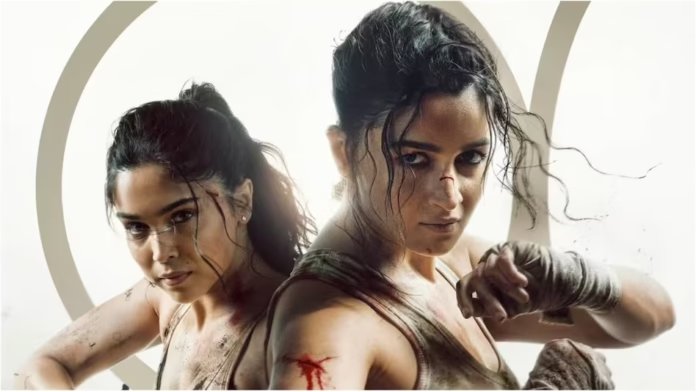
आलिया भट्ट और शरवरी स्टारर स्पाई-थ्रिलर ‘अल्फा’ इस शुक्रवार सिनेमाघरों में दस्तक देने जा रही है। शुरुआती दिनों में एडवांस बुकिंग की रफ्तार भले ही धीमी रही हो, लेकिन रिलीज़ नज़दीक आते-आते दर्शकों का उत्साह बढ़ता दिखाई दे रहा है। गुरुवार शाम तक बुकिंग में अच्छी तेजी देखने को मिली, जिससे फिल्म के लिए सकारात्मक माहौल बनता नजर आ रहा है।
फिल्म के ट्रेलर को दर्शकों से मिली-जुली प्रतिक्रिया मिली थी, जिसके बाद सभी की निगाहें इसकी एडवांस बुकिंग पर टिकी हुई थीं। बुधवार को शुरू हुई टिकट बिक्री ने साधारण शुरुआत की, लेकिन जैसे-जैसे रिलीज़ का दिन करीब आया, बुकिंग के आंकड़ों में लगातार सुधार देखने को मिला।
ताज़ा रुझानों को देखते हुए कहा जा सकता है कि ‘अल्फा’ बॉक्स ऑफिस पर एक मजबूत और भरोसेमंद ओपनिंग दर्ज कराने की स्थिति में है। अब यह देखना दिलचस्प होगा कि फिल्म रिलीज़ के बाद दर्शकों की उम्मीदों पर कितना खरी उतरती है।
अयोध्या राम मंदिर दान चोरी मामला: CCTV फुटेज, काला बैग और जेल में पूछताछ से उठे नए सवाल
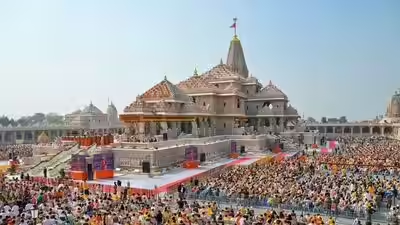
लखनऊ: अयोध्या राम मंदिर में चढ़ावे की रकम में कथित गड़बड़ी के मामले की जांच तेज हो गई है। पुलिस यह पता लगाने की कोशिश कर रही है कि मंदिर के लिए मिले दान का कथित तौर पर कैसे दुरुपयोग किया गया।
मंगलवार को अयोध्या पुलिस ने कोर्ट की अनुमति मिलने के बाद जिला जेल में बंद मुख्य आरोपियों में से एक अविनाश शुक्ला से पूछताछ की। यह पूछताछ सिटी सर्किल ऑफिसर आशुतोष तिवारी ने की।
दान की रकम गिनने में थी अहम भूमिका
जांच एजेंसियों के अनुसार, अविनाश शुक्ला मंदिर में आने वाले दान की रकम की गिनती और हिसाब-किताब से जुड़े काम में शामिल थे। पुलिस को शक है कि नकदी के मिलान और रिकॉर्ड रखने की प्रक्रिया में कुछ अनियमितताएं हुईं, जिससे पैसे के कथित गबन का रास्ता बना।
CCTV फुटेज की जांच जारी
पुलिस की जांच का एक बड़ा हिस्सा CCTV फुटेज पर केंद्रित है। जांच से जुड़े सूत्रों का दावा है कि दान की रकम गिनते समय शुक्ला कई बार कैमरे के ठीक सामने खड़े दिखाई दिए।
जांचकर्ता यह पता लगाने की कोशिश कर रहे हैं कि क्या ऐसा जानबूझकर किया गया था, जिससे कैमरे कुछ महत्वपूर्ण गतिविधियों को रिकॉर्ड न कर सकें।
वायरल CCTV में दिखा काला बैग
मामले ने नया मोड़ तब लिया जब पुलिस को 5 जून की CCTV फुटेज मिली। बताया जा रहा है कि इसमें श्री राम जन्मभूमि तीर्थ क्षेत्र ट्रस्ट के कुछ अधिकारी और पुलिस की वर्दी में कुछ लोग अविनाश शुक्ला के घर पर जांच करते दिखाई देते हैं।
फुटेज में कथित तौर पर शुक्ला एक काला बैग लेकर घर से निकलते नजर आते हैं। जांच एजेंसियां यह पता लगाने की कोशिश कर रही हैं कि क्या इस बैग में दान की रकम का कोई हिस्सा था। हालांकि, पुलिस अभी इस संबंध में सबूतों की पुष्टि कर रही है।
पूछताछ में क्या-क्या पूछा गया?
पुलिस ने अविनाश शुक्ला से कई अहम सवाल किए, जिनमें शामिल हैं:
मंदिर के दान की गिनती की प्रक्रिया
नकदी के हिसाब-किताब का तरीका
दान की रकम को रखने और ले जाने की व्यवस्था
कर्मचारियों की जिम्मेदारियां
अन्य आरोपियों की भूमिका
जांच एजेंसियां पूरे घटनाक्रम को जोड़कर यह समझने की कोशिश कर रही हैं कि कथित वित्तीय गड़बड़ी कैसे हुई।
अन्य आरोपियों से भी होगी पूछताछ
इस मामले में फिलहाल आठ लोग न्यायिक हिरासत में हैं। इनमें शामिल हैं:
रामशंकर यादव उर्फ टिन्नू
अनुकल्प मिश्रा
करुणेश पांडेय
मनीष यादव
लवकुश मिश्रा
रामाशंकर मिश्रा
सुभाष श्रीवास्तव
पुलिस ने कहा है कि कोर्ट की अनुमति मिलने के बाद सभी आरोपियों से चरणबद्ध तरीके से जेल में पूछताछ की जाएगी।
जांच जारी
पुलिस CCTV फुटेज, वित्तीय दस्तावेज, दान रजिस्टर, नकदी मिलान रिकॉर्ड और गवाहों के बयानों की जांच कर रही है। अधिकारियों का लक्ष्य यह पता लगाना है कि कथित घोटाला कितना बड़ा था और इसमें प्रत्येक आरोपी की क्या भूमिका थी।
फिलहाल जांच जारी है और पुलिस इलेक्ट्रॉनिक सबूतों तथा वित्तीय रिकॉर्ड के आधार पर पूरे मामले की सच्चाई सामने लाने की कोशिश कर रही है।sh how the alleged misappropriation of Ram Temple donations took place and whether additional individuals were involved.
जंतर-मंतर पर सोनम वांगचुक का अनिश्चितकालीन अनशन शुरू, छह छात्र नेता भी हुए शामिल
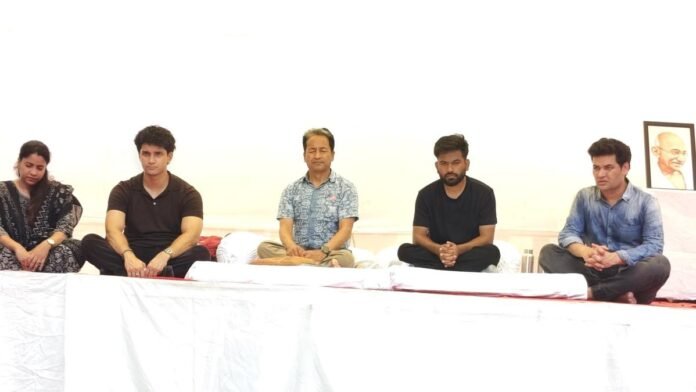
नई दिल्ली: पर्यावरणविद और शिक्षा सुधार के समर्थक सोनम वांगचुक ने रविवार (28 जून 2026) को दिल्ली के जंतर-मंतर पर अनिश्चितकालीन भूख हड़ताल शुरू की। उन्होंने देश की परीक्षा प्रणाली में कथित गड़बड़ियों और खामियों को लेकर केंद्रीय शिक्षा मंत्री धर्मेंद्र प्रधान के इस्तीफे की मांग कर रहे आंदोलन को समर्थन दिया है।
यह प्रदर्शन कॉकरोच जनता पार्टी (CJP) के नेतृत्व में 20 जून से चल रहा है। प्रदर्शनकारी परीक्षा से जुड़े विवादों पर जवाबदेही तय करने और शिक्षा व्यवस्था में सुधार की मांग कर रहे हैं।
अनशन शुरू करने से पहले सोनम वांगचुक ने CJP के संस्थापक अभिजीत दिपके के साथ राजघाट जाकर महात्मा गांधी को श्रद्धांजलि दी। इसके बाद वे जंतर-मंतर पहुंचे और अनशन शुरू करने की घोषणा की। उन्होंने कहा कि यह आंदोलन छात्रों को न्याय दिलाने और शिक्षा व्यवस्था में सुधार लाने के लिए है।
सुविधाओं को लेकर विवाद
प्रदर्शन के दौरान बुनियादी सुविधाओं को लेकर भी विवाद खड़ा हो गया। अभिजीत दिपके ने आरोप लगाया कि वांगचुक के अनशन की घोषणा के बाद जंतर-मंतर पर पानी और शौचालय जैसी सुविधाएं हटा दी गईं।
हालांकि, दिल्ली पुलिस ने इन आरोपों को भ्रामक बताया। पुलिस का कहना है कि इन सुविधाओं का प्रबंधन उनके अधिकार क्षेत्र में नहीं आता, इसलिए उनकी उपलब्धता या अनुपलब्धता में पुलिस की कोई भूमिका नहीं है।
आंदोलन को मिला व्यापक समर्थन
दिनभर आंदोलन को कई सामाजिक संगठनों और किसान प्रतिनिधियों का समर्थन मिला। इसी दौरान छह छात्र नेताओं ने भी सोनम वांगचुक के साथ भूख हड़ताल में शामिल होने का फैसला किया, जिससे आंदोलन को और मजबूती मिली।
मंच से समर्थकों को संबोधित करते हुए वांगचुक ने कहा कि युवाओं और छात्रों का साथ मिलना उनके लिए उत्साहजनक है। उन्होंने शिक्षा सुधार के लिए आगे आए छात्रों की सराहना की।
छह छात्र नेता हुए अनशन में शामिल
ऑल इंडिया स्टूडेंट्स एसोसिएशन (AISA) ने घोषणा की कि उसके छह सदस्य भूख हड़ताल में शामिल होंगे। इनमें शामिल हैं:
जेएनयू छात्रसंघ के संयुक्त सचिव दानिश अली
जेएनयू के बराक हॉस्टल अध्यक्ष ऋषिकेश
डॉ. बी.आर. अंबेडकर विश्वविद्यालय दिल्ली के पूर्व छात्र परिषद सदस्य आमीन
AISA की राष्ट्रीय अध्यक्ष नेहा
AISA उत्तर प्रदेश के अध्यक्ष मनीष
दिल्ली विश्वविद्यालय इकाई के उपाध्यक्ष दीपक
AISA ने अपने बयान में कहा कि छात्र सोनम वांगचुक के समर्थन में इस अनशन में शामिल हुए हैं। संगठन ने शिक्षा मंत्री के इस्तीफे, राष्ट्रीय शिक्षा नीति (NEP) 2020 को वापस लेने और नेशनल टेस्टिंग एजेंसी (NTA) को भंग करने की मांग भी दोहराई है।
AI Summit में चीनी रोबोट डॉग विवाद: गलगोटियास यूनिवर्सिटी क्यों आई निशाने पर?
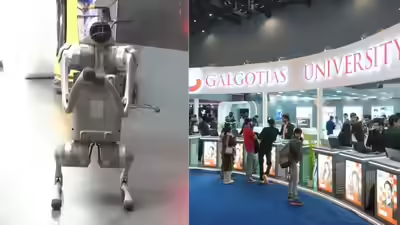
नई दिल्ली: भारत मंडपम में आयोजित AI Summit Expo के दौरान गलगोटियास यूनिवर्सिटी को अपना प्रदर्शनी स्टॉल बंद कर खाली करने के निर्देश दिए गए। यह कार्रवाई तब हुई जब यूनिवर्सिटी के स्टॉल पर प्रदर्शित एक रोबोटिक डॉग को लेकर विवाद खड़ा हो गया।
क्या है पूरा मामला?
यूनिवर्सिटी के स्टॉल पर “ओरायन (Orion)” नाम से एक रोबोटिक डॉग प्रदर्शित किया गया था। बाद में लोगों ने पहचान की कि यह कोई नया आविष्कार नहीं, बल्कि चीन की कंपनी Unitree द्वारा बनाया गया Unitree Go2 रोबोट है, जो पहले से बाजार में उपलब्ध है और इसकी कीमत करीब 2 से 3 लाख रुपये बताई जाती है।
आलोचकों का आरोप था कि रोबोट को ऐसे पेश किया गया जिससे यह आभास हुआ कि इसे गलगोटियास यूनिवर्सिटी ने विकसित किया है। चूंकि AI Summit का उद्देश्य भारतीय नवाचारों को प्रदर्शित करना था, इसलिए इस मुद्दे ने तेजी से विवाद का रूप ले लिया।
विवाद कैसे बढ़ा?
एक प्रस्तुति के दौरान प्रोफेसर नेहा सिंह ने DD News से बातचीत में “ओरायन” के बारे में जानकारी दी। उन्होंने बताया कि यूनिवर्सिटी ने AI के क्षेत्र में 350 करोड़ रुपये से अधिक का निवेश किया है और एक विशेष AI एवं डेटा साइंस ब्लॉक भी बनाया है।
उन्होंने कहा कि “ओरायन” यूनिवर्सिटी के सेंटर ऑफ एक्सीलेंस से जुड़ा है और यह निगरानी तथा मॉनिटरिंग जैसे कार्य कर सकता है। उनके इस बयान के बाद सवाल उठने लगे कि क्या यूनिवर्सिटी रोबोट को अपनी बनाई हुई तकनीक के रूप में पेश कर रही है।
विपक्ष ने साधा निशाना
इस विवाद पर कांग्रेस पार्टी ने भी प्रतिक्रिया दी। पार्टी ने आरोप लगाया कि एक चीनी उत्पाद को भारतीय नवाचार के रूप में दिखाने से अंतरराष्ट्रीय मंच पर देश की छवि को नुकसान पहुंचा है।
कांग्रेस ने यह भी कहा कि भारत के पास AI क्षेत्र में दुनिया का नेतृत्व करने की क्षमता है, इसलिए ऐसे विवाद देश की साख को प्रभावित कर सकते हैं।
यूनिवर्सिटी ने क्या सफाई दी?
गलगोटियास यूनिवर्सिटी ने स्पष्ट किया कि उसने कभी यह दावा नहीं किया कि रोबोट डॉग का निर्माण उसने किया है। यूनिवर्सिटी का कहना है कि इस रोबोट को छात्रों को आधुनिक और उन्नत तकनीकों से परिचित कराने के लिए प्रदर्शित किया गया था।
संस्थान ने कहा कि उसका उद्देश्य छात्रों को वैश्विक तकनीकों को समझने, उनका अध्ययन करने और भविष्य में भारत में ऐसी या उससे बेहतर तकनीक विकसित करने के लिए प्रेरित करना है।
प्रोफेसर ने भी दी सफाई
प्रोफेसर नेहा सिंह ने बाद में माना कि उनकी बात स्पष्ट तरीके से सामने नहीं आ पाई, जिससे गलतफहमी पैदा हुई। उन्होंने कहा कि कार्यक्रम की व्यस्तता और उत्साह के बीच उनके शब्दों का गलत अर्थ निकाला गया।
उन्होंने दोहराया कि यूनिवर्सिटी ने कभी यह दावा नहीं किया कि उसने रोबोट बनाया है। उनका कहना था कि रोबोट को केवल छात्रों को प्रेरित करने और नई तकनीकों से परिचित कराने के उद्देश्य से प्रदर्शित किया गया था।
AI Summit से हटकर विवाद पर गई चर्चा
हालांकि यूनिवर्सिटी ने अपनी सफाई दे दी, लेकिन रोबोट की पहचान Unitree Go2 के रूप में होने के बाद पूरा ध्यान भारत की AI उपलब्धियों से हटकर इस विवाद पर केंद्रित हो गया। इससे AI Summit 2026 में भारत की कृत्रिम बुद्धिमत्ता से जुड़ी बड़ी योजनाओं और उपलब्धियों की चर्चा भी पीछे छूट गई।
बांग्लादेश चुनाव 2026: जमात-ए-इस्लामी की बड़ी उम्मीदें क्यों नहीं हुईं पूरी?
ढाका: 12 फरवरी 2026 को हुए बांग्लादेश के आम चुनाव से पहले जमात-ए-इस्लामी के नेताओं और समर्थकों में काफी उत्साह था। राजनीतिक जानकारों का मानना था कि पार्टी स्वतंत्रता के बाद का अपना सबसे अच्छा प्रदर्शन कर सकती है। पार्टी को उम्मीद थी कि वह सिर्फ चुनाव नहीं लड़ेगी, बल्कि सत्ता की दौड़ में भी मजबूत दावेदारी पेश करेगी।
लेकिन जैसे-जैसे नतीजे सामने आए, तस्वीर बदलती गई।
BNP के पक्ष में गया माहौल
चुनाव के बाद बांग्लादेश नेशनलिस्ट पार्टी (BNP) ने जीत का दावा किया और कई अंतरराष्ट्रीय नेताओं ने भी उसे बधाई दी। दूसरी ओर, जमात ने नतीजों की प्रक्रिया पर सवाल उठाए और कहा कि वह चुनाव परिणामों के प्रबंधन से संतुष्ट नहीं है।
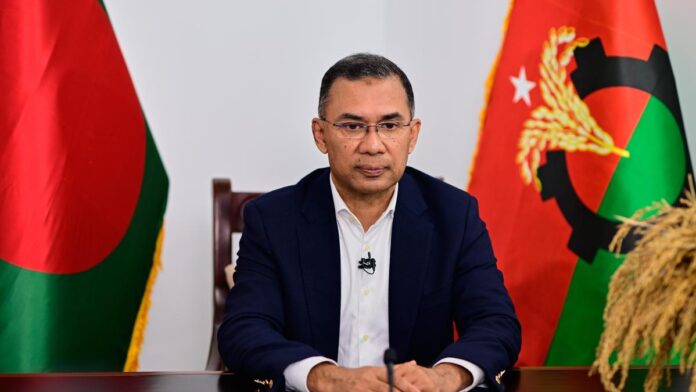
राजनीतिक माहौल तेजी से BNP के पक्ष में जाता दिखाई दिया। 2024 के जनआंदोलन के बाद हुए इस पहले आम चुनाव में BNP ने बड़ी जीत हासिल करने का दावा किया। पार्टी प्रमुख तारिक रहमान के प्रधानमंत्री बनने की संभावना मजबूत हो गई।
शुरुआत अच्छी रही, लेकिन बढ़त नहीं बची
2024 में हुए छात्र आंदोलन के बाद, जिसने शेख हसीना सरकार को सत्ता से बाहर कर दिया था, जमात-ए-इस्लामी काफी सक्रिय और मजबूत नजर आ रही थी। चूंकि आवामी लीग चुनाव नहीं लड़ रही थी, इसलिए जमात को लगा कि उसके लिए बड़ा अवसर पैदा हुआ है।
शुरुआत में पार्टी को कुछ रणनीतिक फायदा भी मिला क्योंकि BNP का चुनाव अभियान थोड़ी देर से गति पकड़ पाया। इस दौरान जमात ने कई इलाकों में अपना संगठन मजबूत किया।
लेकिन जैसे-जैसे चुनाव नजदीक आया, स्थिति बदलने लगी।
युवा, महिलाएं और अल्पसंख्यक BNP के साथ गए
जिन युवा मतदाताओं ने 2024 के आंदोलन में महत्वपूर्ण भूमिका निभाई थी, उनमें से बड़ी संख्या BNP के साथ चली गई। महिलाओं का समर्थन भी जमात को उम्मीद के मुताबिक नहीं मिला।
हिंदू समेत कई अल्पसंख्यक समुदायों ने भी BNP को प्राथमिकता दी। यहां तक कि आवामी लीग के समर्थकों ने भी जमात का समर्थन नहीं किया और BNP के पक्ष में वोटों का ध्रुवीकरण होता गया।
इस तरह जो राजनीतिक मैदान शुरुआत में खुला हुआ दिख रहा था, वह धीरे-धीरे BNP के पक्ष में एकजुट हो गया।
अमेरिका से कथित संपर्कों पर भी विवाद
चुनाव के दौरान कुछ रिपोर्टों में दावा किया गया कि अमेरिकी राजनयिकों ने जमात-ए-इस्लामी के नेताओं से मुलाकात की थी। इन खबरों के बाद राजनीतिक विवाद और बढ़ गया।
BNP के वरिष्ठ नेता मिर्जा फखरुल इस्लाम आलमगीर ने आरोप लगाया कि जमात और अमेरिका के बीच कोई गुप्त समझौता हो सकता है, जो देश की संप्रभुता के लिए खतरा बन सकता है।
हालांकि, जमात ने किसी भी गुप्त समझौते से इनकार किया और कहा कि विदेशी राजनयिकों के साथ बैठकें चुनाव, लोकतंत्र और द्विपक्षीय सहयोग जैसे मुद्दों पर सामान्य चर्चा का हिस्सा थीं।
अतीत अब भी पीछा नहीं छोड़ रहा
जमात-ए-इस्लामी की स्थापना 1941 में इस्लामी विद्वान सैयद अबुल आला मौदूदी ने की थी।
1971 के बांग्लादेश मुक्ति संग्राम के दौरान पार्टी ने स्वतंत्रता आंदोलन का विरोध किया था और पश्चिमी पाकिस्तान का समर्थन किया था। इसी कारण पार्टी का इतिहास आज भी विवादों से जुड़ा हुआ है।
आजादी के बाद 1972 में पार्टी पर प्रतिबंध लगा दिया गया था, हालांकि 1979 में यह प्रतिबंध हटा लिया गया। बाद में पार्टी BNP के साथ गठबंधन सरकारों में भी शामिल रही।
शेख हसीना के शासनकाल में जमात के कई वरिष्ठ नेताओं पर युद्ध अपराधों के मामले चले और कुछ नेताओं को फांसी भी दी गई। 2013 में बांग्लादेश हाई कोर्ट ने पार्टी का राजनीतिक पंजीकरण भी रद्द कर दिया था।
नई छवि बनाने की कोशिश
2024 के आंदोलन के बाद जमात ने अपनी छवि बदलने का प्रयास किया। पार्टी ने खुद को “सुधारवादी” और “लोकतंत्र समर्थक” बताना शुरू किया।
उसने अल्पसंख्यकों के अधिकारों की बात की, पहली बार एक हिंदू उम्मीदवार को टिकट दिया और कई मुद्दों पर अपनी भाषा को पहले की तुलना में नरम बनाया।
पार्टी प्रमुख शफीकुर रहमान ने चुनाव प्रचार के दौरान महिलाओं की सुरक्षा, भ्रष्टाचार-मुक्त शासन और न्याय आधारित समाज का वादा किया।
उम्मीद और हकीकत के बीच
जमात-ए-इस्लामी के लिए यह चुनाव केवल सीटें जीतने का मामला नहीं था, बल्कि अपनी राजनीतिक वापसी और स्वीकार्यता साबित करने की भी लड़ाई थी।
हालांकि पार्टी ने खुद को फिर से राष्ट्रीय राजनीति में स्थापित करने की कोशिश की, लेकिन मतदाताओं का बड़ा वर्ग BNP के पक्ष में एकजुट हो गया।
इस चुनाव ने यह दिखाया कि राजनीतिक छवि बदलना और जनता का भरोसा दोबारा जीतना एक लंबी प्रक्रिया है। जमात की वापसी जरूर हुई है, लेकिन उसकी सत्ता तक पहुंचने की महत्वाकांक्षा फिलहाल अधूरी रह गई।
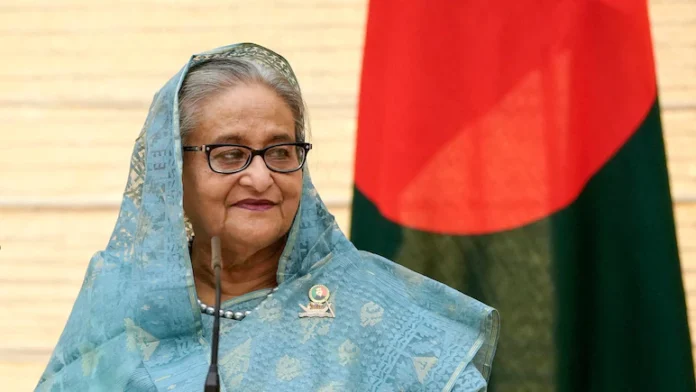
ढाका: बांग्लादेश की पूर्व प्रधानमंत्री Sheikh Hasina ने हाल ही में हुए आम चुनाव को “फर्जी, गैरकानूनी और असंवैधानिक” बताते हुए इसे रद्द करने की मांग की है।
चुनाव परिणाम आने के बाद अपनी पहली प्रतिक्रिया में हसीना ने कहा कि यह चुनाव उनकी पार्टी Awami League की भागीदारी के बिना कराया गया और इसमें जनता की वास्तविक भागीदारी भी नहीं थी।
उन्होंने चुनाव को “सिर्फ दिखावा” बताते हुए कहा कि मतदान प्रक्रिया में लोगों की रुचि बेहद कम रही। उनके अनुसार, ढाका समेत कई इलाकों के मतदान केंद्र लगभग खाली नजर आए।
कम मतदान का किया दावा
हसीना ने चुनाव आयोग के आंकड़ों का हवाला देते हुए कहा कि मतदान शुरू होने के करीब साढ़े तीन घंटे बाद, सुबह 11 बजे तक केवल 14.96 प्रतिशत मतदान दर्ज हुआ था।
उनका दावा है कि मतदान के सबसे महत्वपूर्ण समय में इतनी कम भागीदारी इस बात का संकेत है कि जनता ने उनकी पार्टी को चुनाव से बाहर रखने के विरोध में चुनाव का बहिष्कार किया।
यूनुस पर लगाए गंभीर आरोप
पूर्व प्रधानमंत्री ने अंतरिम सरकार के प्रमुख Muhammad Yunus पर लोकतांत्रिक मूल्यों, संवैधानिक व्यवस्था और नागरिकों के मतदान अधिकारों को कमजोर करने का आरोप लगाया।
उन्होंने कहा कि चुनाव निष्पक्ष और स्वतंत्र तरीके से नहीं कराया गया।
धांधली के भी लगाए आरोप
शेख हसीना ने आरोप लगाया कि मतदान से पहले और मतदान के दौरान कई अनियमितताएं हुईं। उनके अनुसार:
मतदान केंद्रों पर कब्जा किया गया।
गोलीबारी की घटनाएं हुईं।
वोट खरीदने की कोशिश की गई।
पहले से मुहर लगे मतपत्रों का इस्तेमाल हुआ।
मतदान एजेंटों से जबरन नतीजों से जुड़े दस्तावेजों पर हस्ताक्षर करवाए गए।
हसीना का कहना है कि इन परिस्थितियों में हुए चुनाव को वैध नहीं माना जा सकता और इसे रद्द कर दोबारा चुनाव कराया जाना चाहिए।
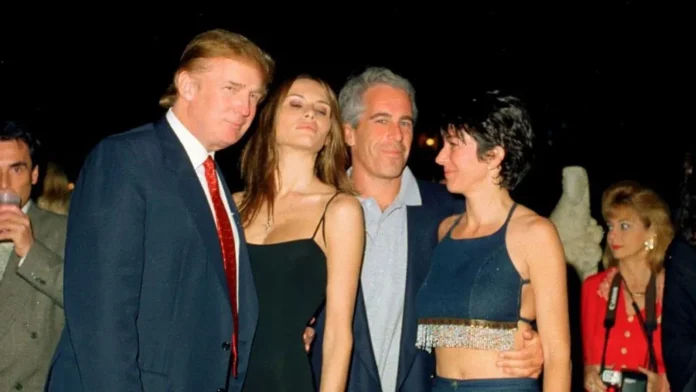
फ्लोरिडा के एक पूर्व पुलिस प्रमुख ने दावा किया है कि 2006 में डोनाल्ड ट्रंप ने उन्हें फोन करके कहा था कि जेफ्री एपस्टीन की हरकतों के बारे में “सब लोग जानते थे”। यह दावा अमेरिकी न्याय विभाग द्वारा जारी एफबीआई इंटरव्यू के एक सारांश में सामने आया है।
दस्तावेज़ के अनुसार, 2019 में एफबीआई ने उस समय के पाम बीच पुलिस प्रमुख का इंटरव्यू लिया था। इंटरव्यू में उन्होंने कहा कि जब स्थानीय पुलिस एपस्टीन की जांच कर रही थी, तब ट्रंप ने उन्हें फोन किया था। उनके मुताबिक, ट्रंप ने कहा था, “अच्छा हुआ आप उसे रोक रहे हैं, सब लोग जानते थे कि वह यह सब कर रहा था।”
हालांकि दस्तावेज़ में अधिकारी का नाम छिपाया गया है, लेकिन उसमें उन्हें एपस्टीन जांच के दौरान पाम बीच का पुलिस प्रमुख बताया गया है। उस समय यह पद माइकल राइटर के पास था। बाद में उन्होंने मियामी हेराल्ड से कहा कि ट्रंप का फोन उन्हें ही आया था।
ट्रंप लगातार यह कहते रहे हैं कि उन्हें एपस्टीन के अपराधों की कोई जानकारी नहीं थी और उनका उससे कोई संबंध नहीं था। लेकिन इस कथित फोन कॉल के सामने आने के बाद यह सवाल फिर उठ सकता है कि ट्रंप को एपस्टीन के बारे में कब और कितनी जानकारी थी।
2019 में जब एपस्टीन को सेक्स ट्रैफिकिंग के संघीय आरोपों में गिरफ्तार किया गया था, तब पत्रकारों ने ट्रंप से पूछा था कि क्या उन्हें कभी उस पर शक हुआ था। ट्रंप ने जवाब दिया था कि उन्हें “कुछ भी पता नहीं था” और वे कई सालों से एपस्टीन से बात नहीं कर रहे थे।
एफबीआई के सारांश में यह भी कहा गया है कि राइटर के अनुसार ट्रंप ने 2006 की बातचीत में बताया था कि एपस्टीन को मार-ए-लागो से निकाल दिया गया था। ट्रंप ने कथित तौर पर कहा था कि न्यूयॉर्क में लोग पहले से जानते थे कि एपस्टीन “घिनौना इंसान” था।
राइटर ने यह भी दावा किया कि ट्रंप ने घिसलेन मैक्सवेल को एपस्टीन की सहयोगी बताया था और उसे “बुरी महिला” कहा था। उन्होंने कथित तौर पर अधिकारियों से कहा था कि जांच में मैक्सवेल पर भी ध्यान दिया जाए।
बाद में 2021 में मैक्सवेल को एपस्टीन के लिए नाबालिग लड़कियों की भर्ती करने में मदद करने का दोषी ठहराया गया था।
दस्तावेज़ के अनुसार, राइटर ने यह भी कहा कि ट्रंप ने बताया था कि वे कभी ऐसी जगह मौजूद थे जहां एपस्टीन किशोर लड़कियों के साथ था, लेकिन उन्होंने वहां से तुरंत निकल जाना बेहतर समझा। सारांश में यह भी कहा गया है कि जांच की जानकारी मिलने के बाद ट्रंप उन शुरुआती लोगों में थे जिन्होंने स्थानीय पुलिस से संपर्क किया था।
2006 में पाम बीच पुलिस उन आरोपों की जांच कर रही थी कि एपस्टीन ने नाबालिग लड़कियों का यौन शोषण किया था। बाद में मामला संघीय अभियोजकों को सौंप दिया गया। 2008 में एपस्टीन ने एक विवादित समझौता किया, जिसके कारण उस समय वह गंभीर संघीय आरोपों से बच गया था।
नए दस्तावेज़ पर प्रतिक्रिया देते हुए न्याय विभाग के एक अधिकारी ने बीबीसी से कहा कि उनके पास ऐसा कोई सबूत नहीं है जो यह साबित करे कि ट्रंप ने करीब 20 साल पहले कानून-प्रवर्तन एजेंसियों से संपर्क किया था।
व्हाइट हाउस की प्रेस सचिव कैरोलिन लीविट से जब इस कथित फोन कॉल के बारे में पूछा गया तो उन्होंने कहा कि उन्हें नहीं पता कि ऐसा फोन हुआ था या नहीं। हालांकि उन्होंने दोहराया कि ट्रंप लंबे समय से कहते रहे हैं कि उन्होंने एपस्टीन को मार-ए-लागो से इसलिए निकाला था क्योंकि वे उसे “अजीब और संदिग्ध व्यक्ति” मानते थे। उन्होंने कहा कि अगर यह फोन कॉल हुई भी थी, तो यह ट्रंप के पुराने सार्वजनिक बयानों से मेल खाती है।
बीबीसी ने इस मामले पर और जानकारी के लिए माइकल राइटर से भी संपर्क किया है।
1990 के दशक में ट्रंप और एपस्टीन कई सामाजिक कार्यक्रमों में साथ देखे गए थे और उनकी कई तस्वीरें भी सामने आई थीं। हालांकि ट्रंप और व्हाइट हाउस का कहना है कि एपस्टीन के अपराधों की जानकारी उन्हें नहीं थी और उन्होंने 2004 के आसपास उससे संबंध तोड़ लिए थे, जो एपस्टीन की पहली गिरफ्तारी से पहले की बात है।
ट्रंप पहले यह भी कह चुके हैं कि उनका रिश्ता तब खत्म हुआ जब उन्हें लगा कि एपस्टीन मार-ए-लागो के कर्मचारियों को अपने यहां काम पर रखने की कोशिश कर रहा था। जुलाई में ट्रंप ने कहा था कि उन्होंने एपस्टीन को ऐसा न करने की चेतावनी दी थी और बाद में उसे वहां से जाने के लिए कह दिया था।
2006 के कथित फोन कॉल को लेकर चर्चा ऐसे समय में फिर तेज हुई है जब घिसलेन मैक्सवेल, जो फिलहाल 20 साल की जेल की सजा काट रही है, ने अमेरिकी प्रतिनिधि सभा की ओवरसाइट समिति के सामने वर्चुअल गवाही दी। बंद कमरे में हुई इस सुनवाई के दौरान मैक्सवेल ने कई सवालों के जवाब देने से इनकार कर दिया और चुप रहने के अपने संवैधानिक अधिकार का इस्तेमाल किया।
बाद में मैक्सवेल के वकील ने कहा कि यदि राष्ट्रपति ट्रंप उन्हें माफी दे दें, तो वह खुलकर बयान देने के लिए तैयार हैं। हालांकि ट्रंप ने कहा है कि उन्होंने मैक्सवेल को माफ करने पर कोई विचार नहीं किया है।
नई दिल्ली: लोकसभा में सोमवार को भारी हंगामे के कारण कार्यवाही पूरे दिन के लिए स्थगित कर दी गई। अब सदन की बैठक 10 फरवरी को दोबारा होगी।
विपक्षी सांसद भारत-अमेरिका अंतरिम व्यापार समझौते पर चर्चा की मांग कर रहे थे, जिसके चलते सदन में लगातार बाधा उत्पन्न हुई।
लोकसभा की कार्यवाही सुबह 11 बजे शुरू हुई, लेकिन हंगामे के कारण दो बार स्थगित करनी पड़ी। दोपहर 2 बजे सदन की कार्यवाही फिर शुरू हुई, लेकिन शोर-शराबे के चलते इसे अगले दिन तक के लिए स्थगित कर दिया गया।
राहुल गांधी के दावे पर बढ़ा विवाद
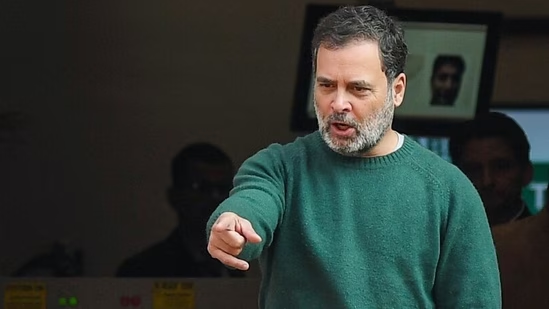
हंगामे के बीच कांग्रेस नेता Rahul Gandhi ने दावा किया कि उन्हें सदन में बोलने का आश्वासन दिया गया था। हालांकि, संसदीय कार्य मंत्री Kiren Rijiju ने इस दावे को खारिज कर दिया।
रिजिजू के बयान के बाद राजनीतिक विवाद और गहरा गया तथा विपक्ष ने सरकार के खिलाफ अविश्वास प्रस्ताव लाने की संभावना पर विचार शुरू कर दिया।
व्यापार समझौते पर चर्चा की मांग
विपक्ष का कहना है कि भारत और अमेरिका के बीच हुए अंतरिम व्यापार समझौते के विभिन्न पहलुओं पर संसद में विस्तार से चर्चा होनी चाहिए। इसी मांग को लेकर विपक्षी सांसद लगातार विरोध प्रदर्शन कर रहे हैं।
फिलहाल, सदन की कार्यवाही बाधित होने के कारण इस मुद्दे पर कोई चर्चा नहीं हो सकी। अब सभी की नजरें अगली बैठक पर टिकी हैं, जहां विपक्ष के रुख और संभावित अविश्वास प्रस्ताव को लेकर स्थिति और स्पष्ट हो सकती है।